If you work in the digital advertising space, you have likely heard the term programmatic. However, if you’re new to this type of media buying, you probably have questions about how it works and why you should use it. This article will answer your most pressing programmatic questions, and provide some information on what this type of transaction actually does.
Also new to digital out-of-home (DOOH)? Learn more via our ultimate guide to DOOH.
Programmatic advertising explained
What is programmatic advertising? At its core, it uses automated technology and algorithms to buy and sell advertising space in real-time. Unlike traditional media buying, which relies on manual insertion orders (IOs), negotiations and spreadsheets, programmatic advertising uses data insights to drive efficiency.
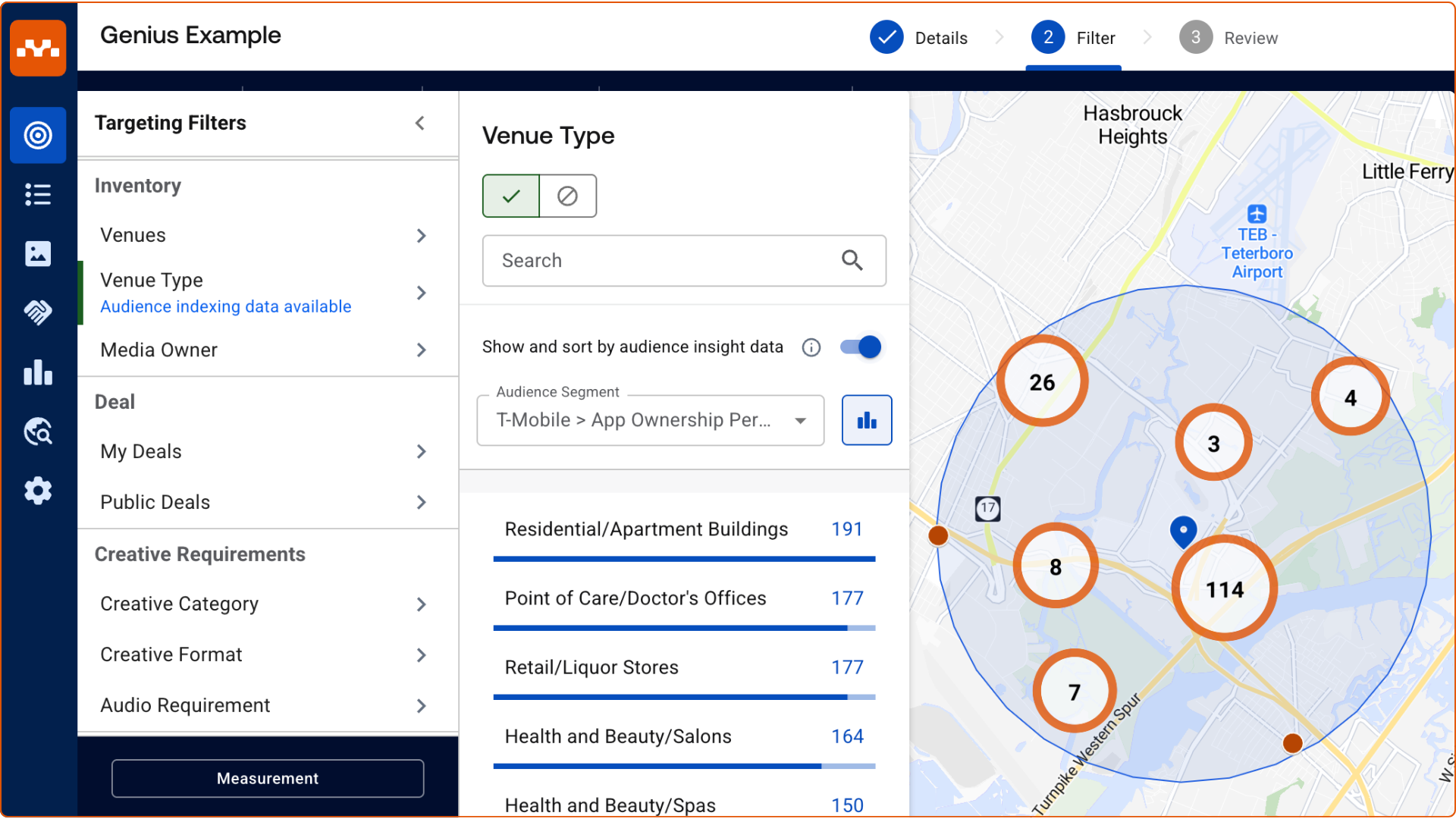
For marketers, this means shifting from buying fixed ad placements to buying audiences. Marketers can access these audiences and activate targeted ads across channels using a demand-side platform (DSP).
For publishers that own the ad inventory, this means they can make that inventory available programmatically through supply-side platforms (SSPs), opening their ad space to marketers in a more efficient way.
It’s a win-win: Brands can appear in the most relevant environments, while media owners monetize their networks with contextually relevant advertising.
Core features of programmatic buying
Programmatic buying is often executed via an auction-based marketplace or ad exchange. Here is how the ecosystem connects:
- Publishers (media owners): Make inventory discoverable at the individual impression or spot level via an SSP.
- Buyers (marketers): Use a DSP to evaluate and bid on inventory in real-time.
- The transaction: Bids are placed based on business rules such as audience criteria, location and price (CPM).
Benefits of programmatic advertising for marketers
For marketers tasked with scaling awareness and proving ROI, programmatic offers distinct advantages over traditional buying:
Aggregate supply
Programmatic technology gives marketers a single access point to massive inventory across channels. From web banners to digital billboards, it centralizes how ad placements are bought and managed. The result is more control, more transparency, and an easier path to scaling brand awareness.
Efficient workflow
With programmatic ad buying, you won't need to manage multiple contracts and insertion orders. Instead, all media planning and buying can be done through a single platform, which allows even the smallest teams to handle large, complex campaigns by being more efficient with how they spend their time.
Data-informed purchasing
Programmatic platforms use data to inform every single ad buy. Whether using audience segments, weather triggers or first-party data to guide a campaign, marketers can ensure they are reaching the right audience at the right time, ultimately eliminating wasted spend on irrelevant impressions.
Aggregate measurement
One of the biggest challenges for marketers is measuring impact. Programmatic buying also comes with new measurement capabilities that can help you understand the impact of your campaigns across all inventory types. Instead of evaluating each publisher separately, marketers can evaluate performance holistically and optimize spend quickly. Learn how to optimize your OOH campaigns for measurable impact.
Programmatic DOOH explained
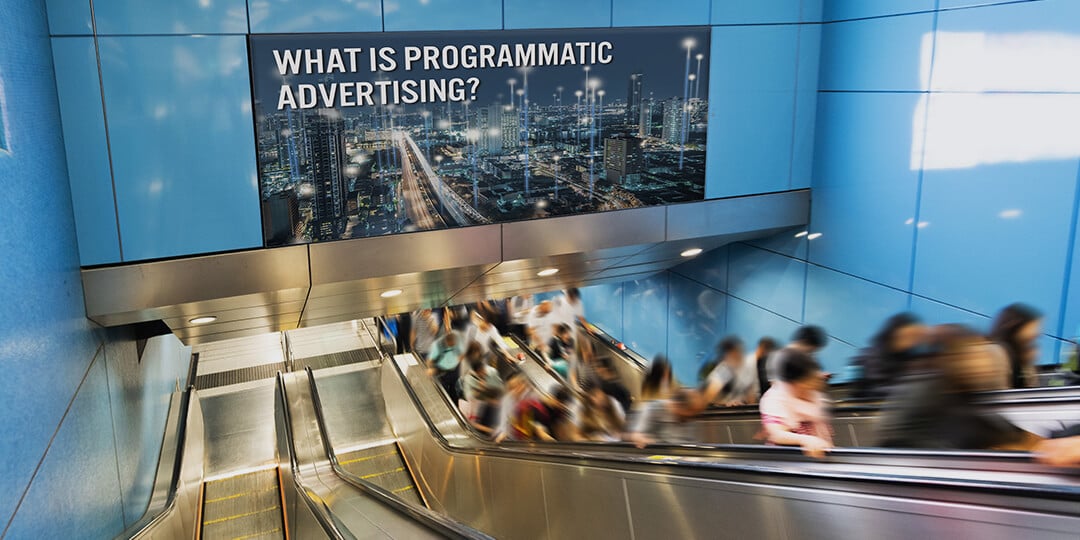
Building on the same principles outlined above, programmatic DOOH (pDOOH) brings automated, data-driven buying into the physical world. Through programmatic ad buying, you — as a marketer — can set parameters around what goals you are trying to achieve and identify specific audiences you want to reach in the physical world.
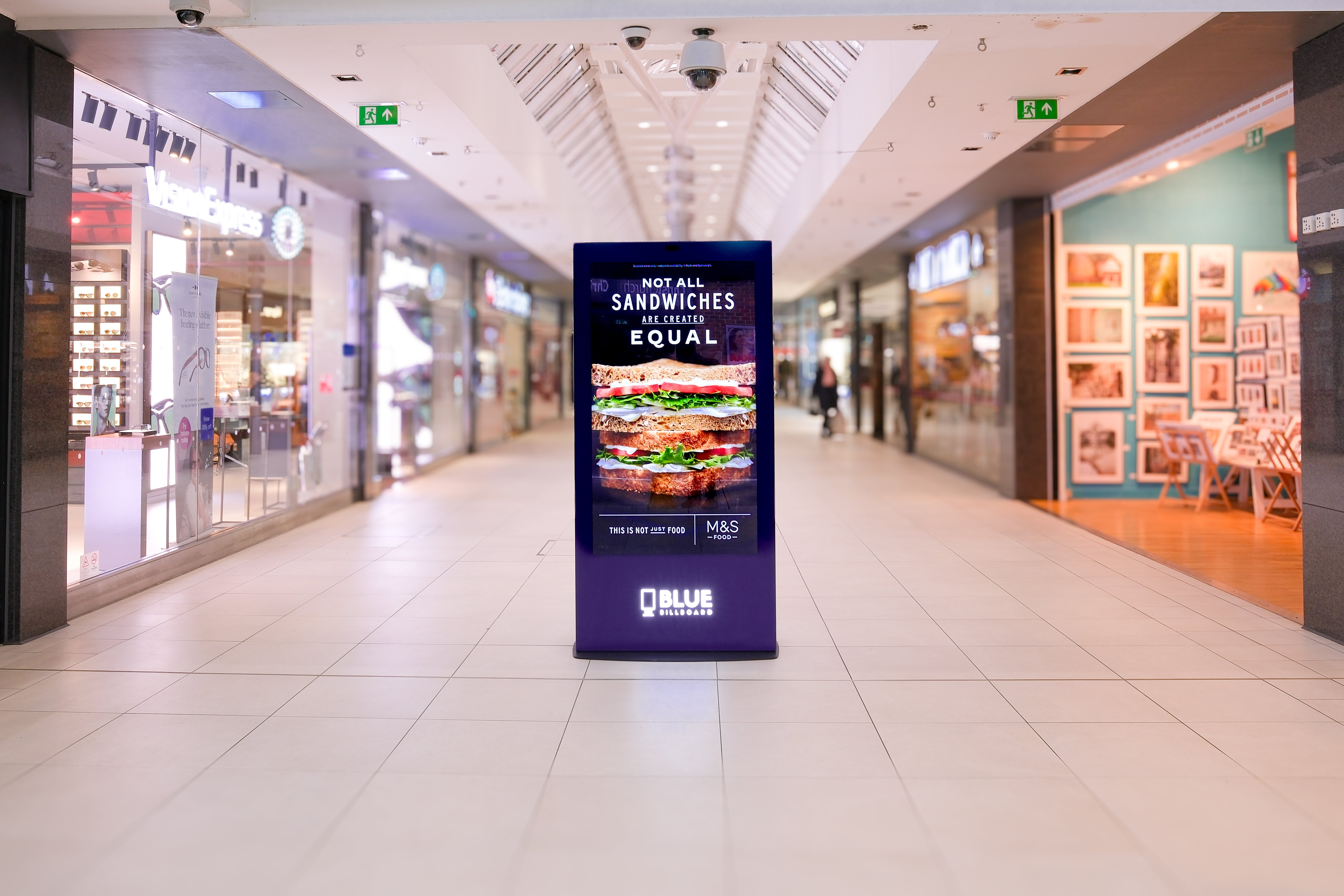
From there, you upload your creative assets, set your budget and let the technology use data-informed decisioning to do the work. If you are trying to reach frequent travelers, for example, your ads may appear on billboards along major highways, gas stations, airports and transit locations exactly when that audience is most active.
Benefits of programmatic advertising for media owners
Discoverable inventory to more buyers
Through digital advertising platforms, like Vistar's supply-side-platform (SSP), your digital signage network becomes discoverable to media buyers on the other side of the transaction. You can control which inventory you want to make available, which buyers and how much you want to charge for it.
Fully monetized digital signage network
Programmatic technology enables you to maximize yield across your digital signage network by monetizing all available inventory through an additional sales channel that requires little direct effort.
New revenue streams
Ultimately, when digital signage is programmatically available, you open up an entirely new revenue stream while still maintaining control of content and pricing. Your screens are now bringing in revenue from not just OOH buyers and loop-based media, but digital and omnichannel DSPs too.
Getting started with programmatic DOOH media
While the technology is sophisticated, getting started doesn't have to be overwhelming. Many of the creative materials you use for other types of digital advertising can be easily applied to the programmatic DOOH landscape to extend your omnichannel reach or launch a new omnichannel campaign.
The team at Vistar Media has a wealth of experience and can walk you through everything you need to know to start buying programmatically. Contact us today for a free strategy session.